 5.0 Star Rated Post & Wire SpecialistsBuilt for Kootenay5.0 Star Rated Post & Wire SpecialistsBuilt for Kootenay
 Service
 Farm fencing isn’t just a boundary – it affects how the land is managed. When it fails, it affects livestock, access, and daily work. That’s why it’s not just about materials.
It comes down to how the fence is set up – the depth, the layout, how it’s built for the ground and the load it’s carrying. We focus on getting those details right from the start, so the fence holds up under real use.
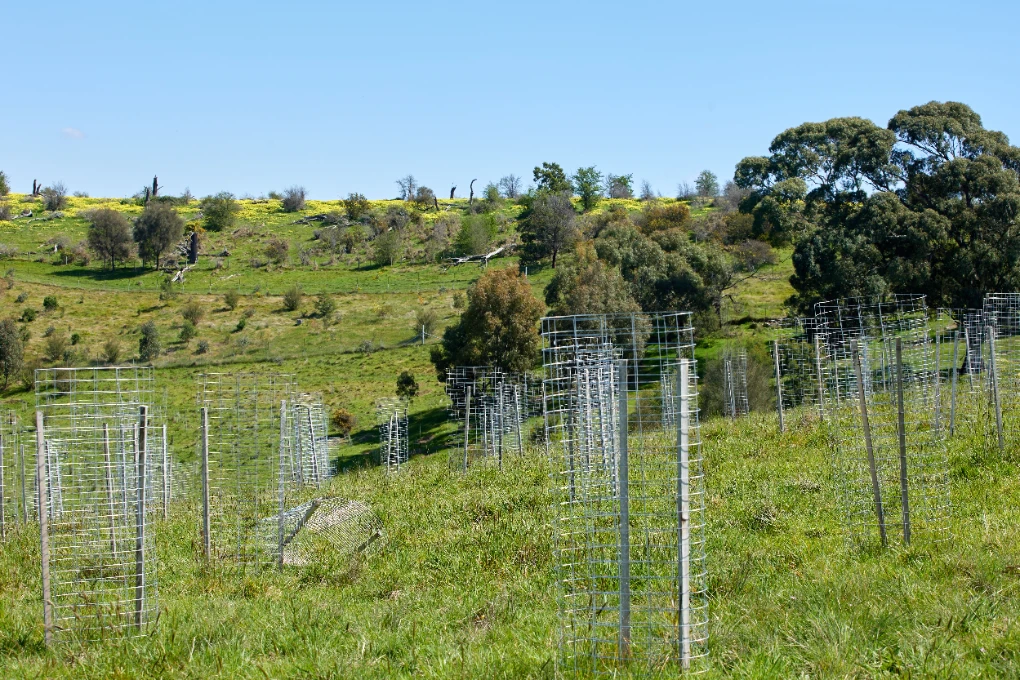
 FARM FENCING
 Farm fencing takes more wear than most. Livestock pressure, changing ground conditions, and long-term use all affect how it performs. When those factors aren’t accounted for, fences start to loosen, shift, or fail in sections – and that quickly becomes a problem on working land.
Post and wire fencing solves that, but only when it’s set up properly for the property. That’s where our experience comes in. We’ve worked across different types of agricultural land and understand what it takes to get the setup right. As a result, the fence holds its line, handles the pressure, and continues to perform over time.
WHAT WE BUILD Every property is different, and that directly affects how a farm fence should be built. Soil, slope, livestock type, and access points all play a role. If those factors are missed, the fence becomes the weak point.
Because of that, we assess each site before anything starts. We adjust the layout, depth, and configuration based on what the land and operation actually need. That’s what ensures the fence works properly across the entire property.

 WHERE IT’S USED
 Not all farmland operates the same way. Livestock, crop use, and layout all change what the fence needs to do. Because of that, the setup is adjusted based on how the land is used, not just where it is.
Cattle & Livestock Pastures
Fencing configured for the pressure created by livestock movement and behaviour. Adjusted based on terrain and how animals interact with the boundary.
Hay Fields & Crop Protection
Perimeter fencing designed to define boundaries without overbuilding. Set up to protect productive land while staying cost-effective.
Mixed Agricultural Properties
Fencing that adapts across different land uses – pasture, crops, or combined operations – without losing consistency or strength.
Not sure what configuration your property needs? We assess the land and the livestock requirements before quoting, so the solution fits your farm operation.
WHY BLACKMOREBOYS CONTRACTING Farm fencing needs to make sense for the people working the land. Inflated pricing or unnecessary upgrades don’t hold up in real agricultural use. We take a practical approach. Every quote is based on the actual property, the real requirements, and the work involved – nothing added, nothing assumed.
At the same time, we focus on getting the setup right from the start. Proper depth, correct configuration, and materials suited to the job reduce the need for ongoing repairs. As a result, the fence holds up over time and remains cost-effective across its lifespan.
 Contact Us
 Good work doesn’t need replacing. Reach out today and let’s get started.

Good work doesn’t need replacing. Reach out today and let’s get started.
CALL US
 672 – 967 – 8488
Service Area
 The Kootenays, BC
Hours
 Mon-Fri : 7:00 AM – 6:00 PM
 Blackmoreboys@gmail.com