 5.0 Star Rated High-Tensile WireKootenay Terrain Specialists5.0 Star Rated High-Tensile WireKootenay Terrain Specialists
 Service
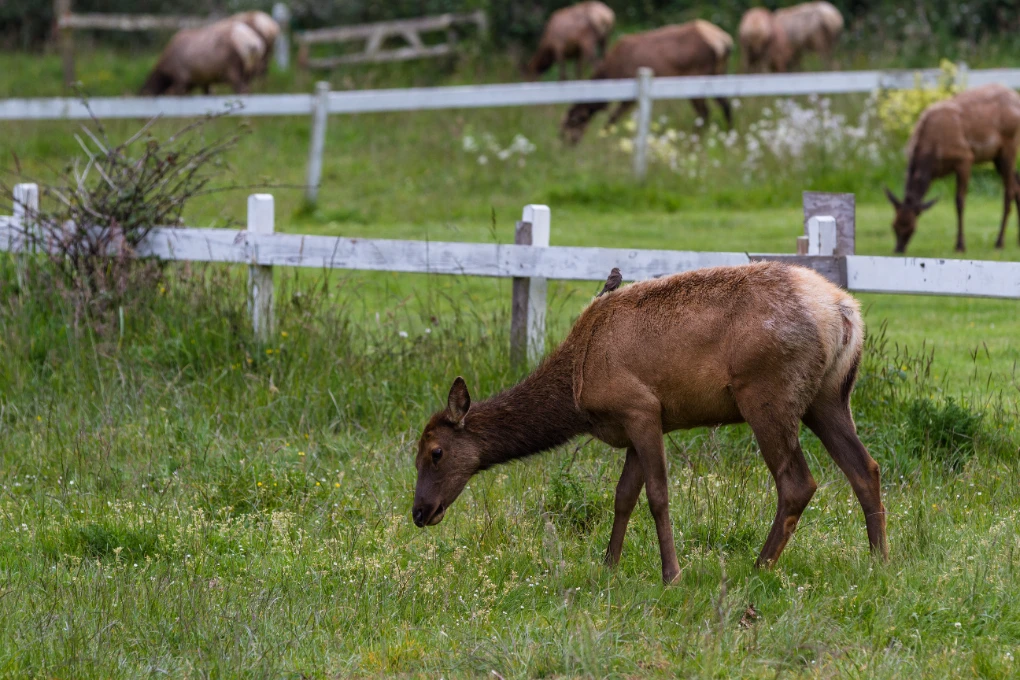
 Elk don’t test a fence once – they test it repeatedly. When a fence isn’t built for that pressure, it fails quickly. That’s why material alone isn’t enough.
It comes down to the right height, correct tension, and a setup built for the ground and the pressure it’s facing. That’s why we focus on getting those details right from the start, so the fence holds its line and protects what’s behind it.
 HIGH-TENSILE ELK FENCING
 Elk don’t behave like standard livestock. They’re heavy, persistent, and will test weak points until they find one. When a fence isn’t built for that, the damage isn’t gradual – it’s immediate and costly.
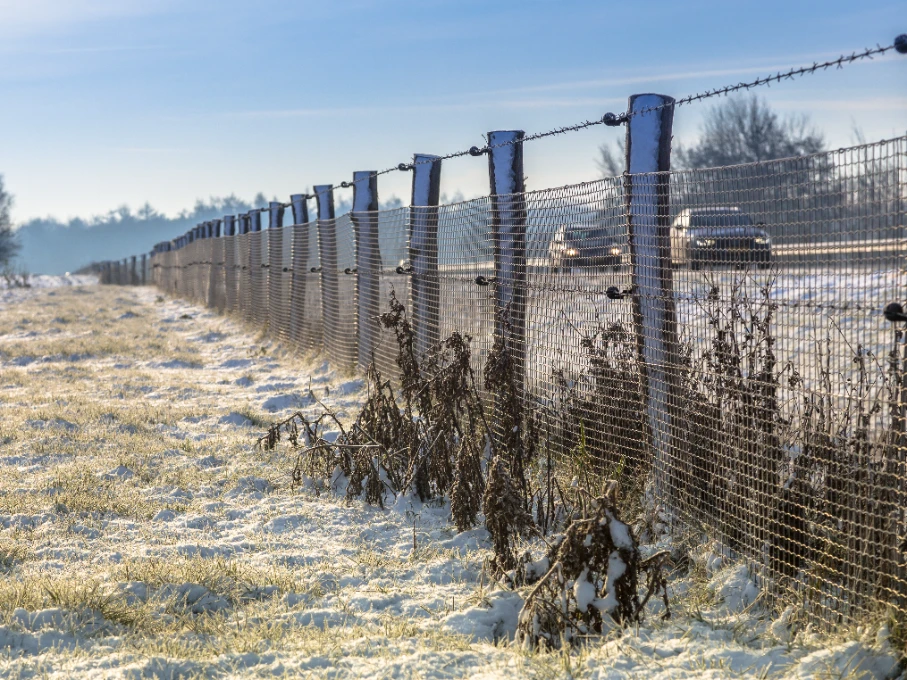
High-tensile elk fencing solves that problem, but only when it’s set up correctly. Height, tension, and post depth all need to work together to handle both the animal and the terrain.
That’s where our experience comes in because we’ve worked across properties with varying levels of pressure and understand what it takes to get the setup right. As a result, the fence performs the way it should – holding strong against repeated pressure, not just initial contact.
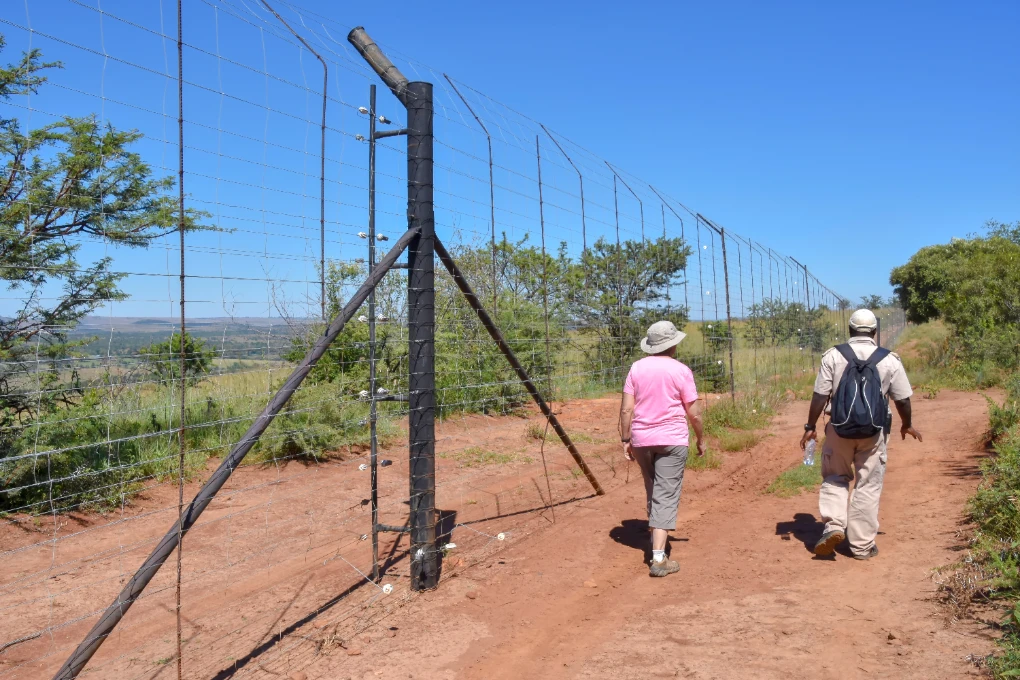
WHAT WE BUILD Every property faces different levels of wildlife pressure, and the terrain plays a big role in how a fence performs. An elk fence only works when it’s built to endure the level of pressure it faces. Ground conditions, slope, and wildlife movement all affect how it needs to be set up. If those factors aren’t accounted for, the fence becomes the weak point.
Because of that, we don’t rely on standard configurations. We assess each property and adjust the height, depth, and layout accordingly. So, the result is a fence that holds up even when tested.
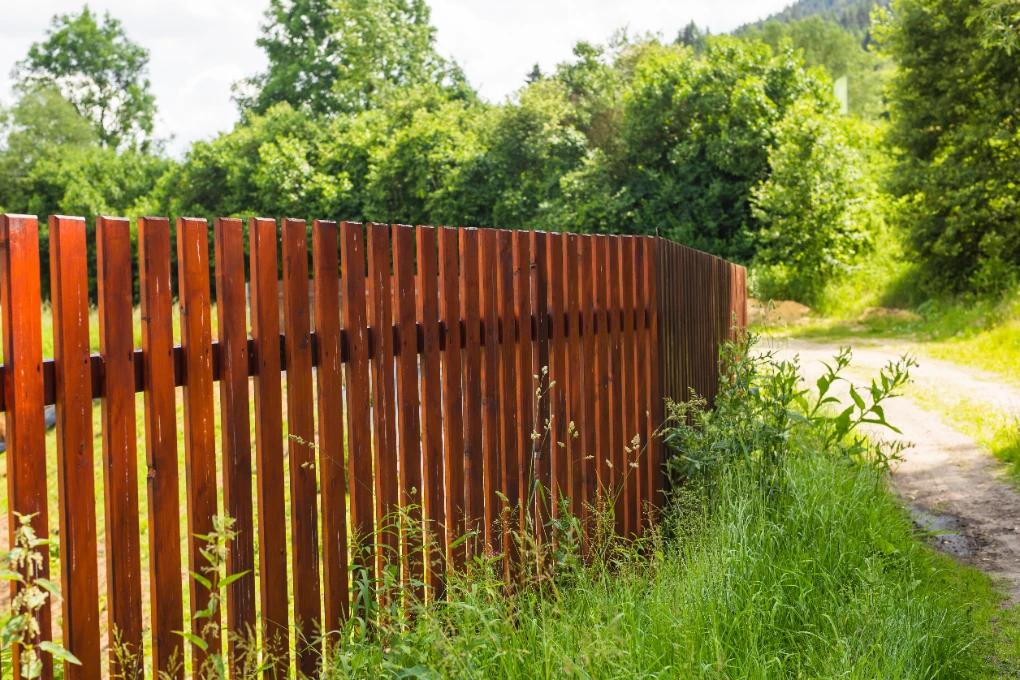 GALVANIZED VS VINYL-COATED
 Wildlife pressure isn’t the same everywhere, and neither is the land. Because of that, the setup changes depending on how the property is used and what it needs protection from.
Orchards & Vineyards
Fencing designed to prevent crop damage from repeated wildlife intrusion. Set up with the right height and tension to handle consistent pressure.
Crop & Hay Fields
Large-scale fencing configured to cover acreage without compromising on strength. Built to maintain performance across long spans.
Commercial Rural Properties
Perimeter fencing for nurseries, garden centres, and similar operations. Designed to keep wildlife out while maintaining access and functionality.
Not sure what your property needs? We assess the terrain and pressure before quoting, so the solution matches your site.
Why BlackmoreBoys Contracting Elk pressure isn’t consistent – it varies by location, terrain, and proximity to migration paths. A fence that works in one area may not hold up in another. That’s why local understanding matters. We factor in how the ground behaves, how wildlife moves, and how different terrains affect performance. By building based on those conditions, we make sure the fence holds where others fail.
 Contact Us
 Good work doesn’t need replacing. Reach out today and let’s get started.

Good work doesn’t need replacing. Reach out today and let’s get started.
CALL US
 672 – 967 – 8488
Service Area
 The Kootenays, BC
Hours
 Mon-Fri : 7:00 AM – 6:00 PM
 Blackmoreboys@gmail.com